Welcome to Unbok Insights: A Place to Make Better Work
Practical ideas for creators and brands—from the first content idea to a clearer brief, a stronger portfolio, and more thoughtful collaboration.


Good creative work often starts with a small question. What should this video help someone understand? What does the brand actually need? Which part of a project belongs in a portfolio? Unbok Insights is a place to work through those questions with practical ideas for creators and the teams who collaborate with them.
This collection brings together guidance on making content, explaining your work, and planning more useful collaborations. You can read it in Thai or English. Start with the challenge in front of you, take what fits, and adapt the examples to your own audience.
By the end of this article, you’ll be able to…
- Choose a category based on the problem you want to solve.
- Turn one useful idea into a small, practical experiment.
- Separate editorial examples from verified creator stories and product announcements.
Six ways into the library
- Unbok updates: introductions and updates from the Unbok team, with a clear distinction between an editorial announcement and a product release.
- Content creation tips: approachable ways to plan, film, edit, and check a piece before it goes out.
- Creator stories: the choices behind creative work, including how to explain a process and build a thoughtful portfolio.
- Ideas & inspiration: prompts that help you see a familiar subject from a different angle.
- For brands: practical briefs, useful feedback, and clearer expectations for collaboration.
- Events & community: ideas for sharing work, exchanging feedback, and making creative conversations more welcoming.
If you are a creator, start with one piece
You do not need to rebuild your entire workflow to use an article. Pick a project you are already making. Write down the audience, the question you want to answer, and the one thing a viewer should understand afterwards. Then choose one suggestion to test: a clearer opening, a simpler shot list, or a portfolio note that explains a decision.
Keep the first version as well as the revision. Comparing the two makes the lesson concrete. It also gives you a record of your process that is more useful than a vague promise to “make better content.”
If you are a brand, start with the brief
Before asking a creator for an idea, make your own expectations visible. Explain who the work is for, what needs to be delivered, which details are essential, and where there is room for interpretation. A shared understanding of the task gives both sides something specific to discuss.
Use the guides as conversation starters. A sample brief is a starting point to adapt, not a substitute for agreeing the actual scope, schedule, and responsibilities with your collaborator.
Read examples as examples
Practice scenarios in this library are labeled so you can distinguish them from real projects. A suggested workshop agenda is not an event invitation. A portfolio exercise is not a client testimonial. We aim to make the practical lesson useful without implying evidence that the example does not provide.
Your first next step
Choose one article, write down one change you can try, and give that change a place in your next project. You do not have to use every tip. A single well-chosen improvement is enough to begin.
Explore the Unbok Insights library and start with the question you want to answer next.
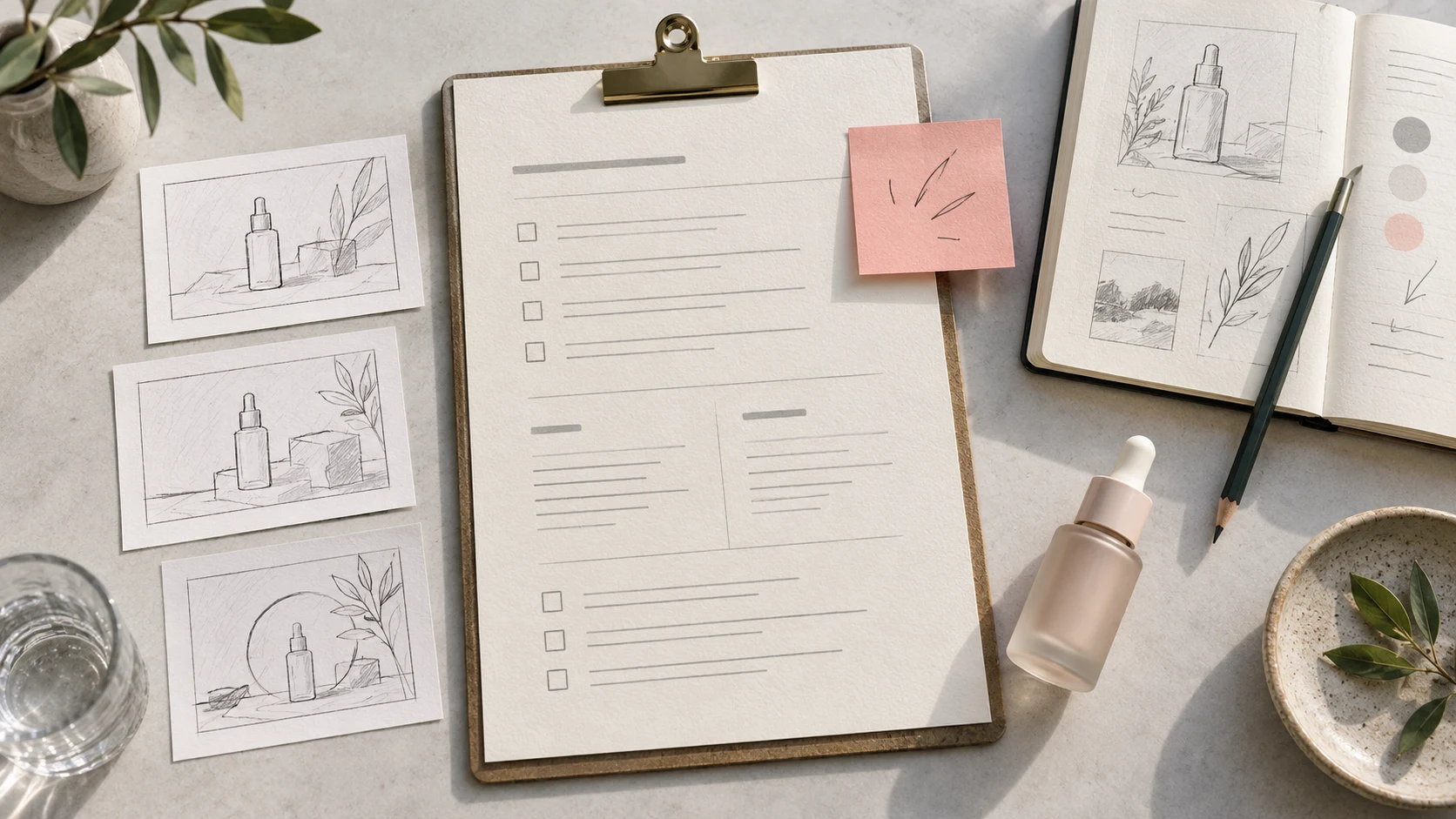
Cover: an AI-generated editorial image for Unbok. People and scenes are illustrative.