Creating Content During Floods: A Guide for Creators and Brands
Stay safe first, speak up early, and use your reach well. How to adjust campaigns, deadlines, and tone during floods so work can continue without leaving affected communities behind.

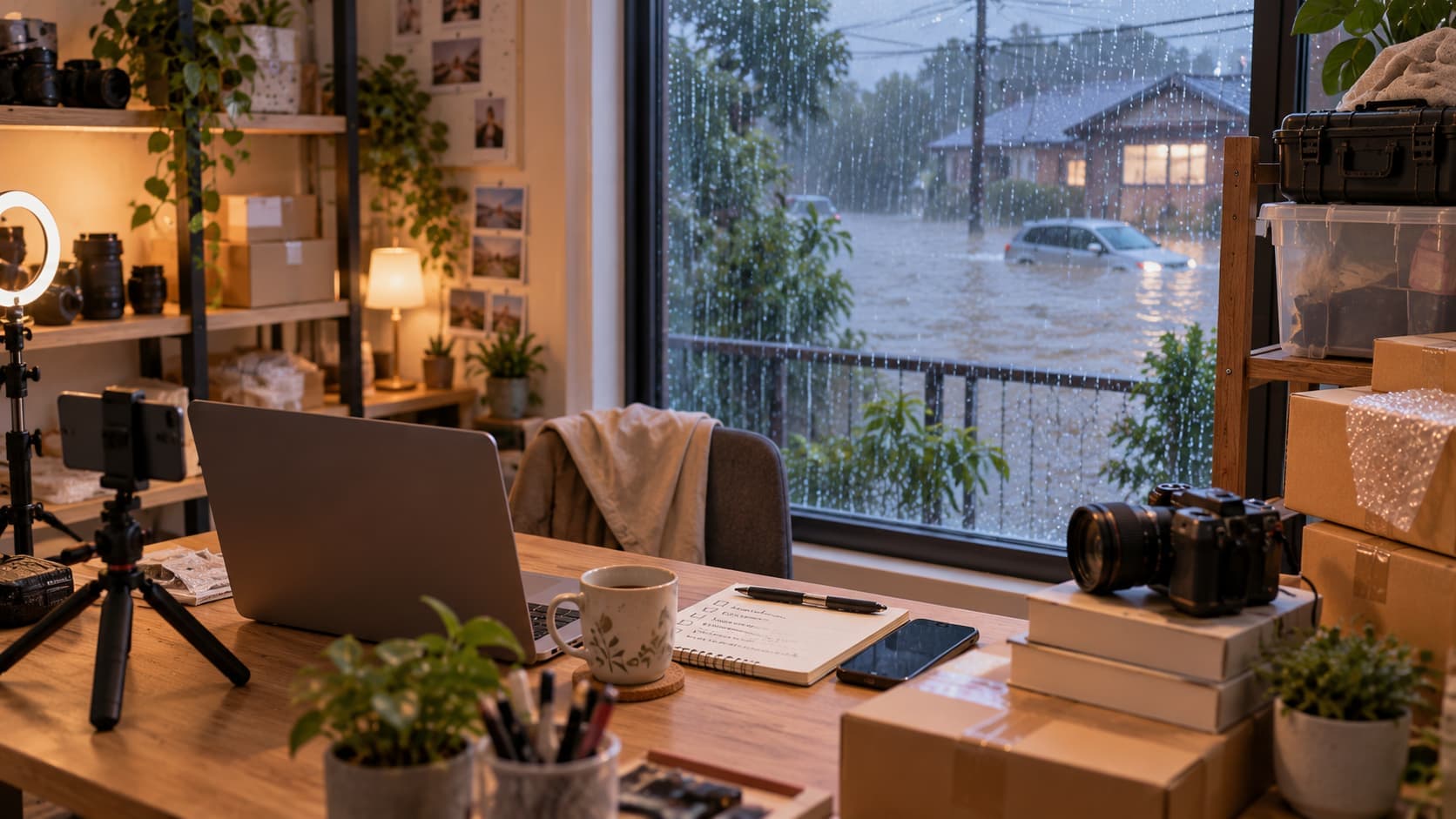
Thailand's rainy season brings flooding almost every year. When water reaches homes, studios, or delivery routes, content plans rarely survive unchanged. Creators may not be able to shoot, products sent for review can get stuck in transit, and scheduled posts can suddenly feel out of step with what audiences are going through.
This guide is for creators and brands who want to keep campaigns moving responsibly. One principle runs through all of it: people's safety comes first, and the work can follow.
By the end of this article, you’ll be able to…
- Creator and team safety always comes before deadlines.
- Affected creators should tell the brand as soon as they are safe and suggest options for delivering the work.
- Brands should review scheduled posts and adjust the tone to fit the situation.
- Verify information with official sources before sharing, and never use other people's hardship as a backdrop for content.
- Keep new agreements in the campaign so work is easy to pick up again once the water recedes.
Safety comes before any deadline
No piece of content is worth wading through floodwater for, or plugging in equipment where water can reach. If your area is affected, look after yourself and the people around you first, then come back to the work.
Follow official updates from the Thai Meteorological Department, the Department of Disaster Prevention and Mitigation, and ThaiWater.
Move cameras, lights, computers, and hard drives to higher ground, and switch off power where water may reach.
Back up your work to the cloud, especially raw footage and anything not yet delivered.
Keep emergency numbers close: the disaster hotline 1784 and medical emergencies 1669.
Creators: speak up early instead of going quiet
Most brands understand, but they can only re-plan if they know what is happening. If you can't meet a deadline, message the brand in the campaign as soon as you are safe. Don't wait until the due date has passed.
Share a short status: how you're affected, whether you can still shoot, and whether the product has arrived.
Offer options: a later due date, a different location, or a different format, such as shooting indoors instead of outside.
Keep it in the campaign: new agreements stay attached to the work, so both sides can refer back during review and approval instead of digging through private chats.
Brands: review campaigns that are already running
Upbeat content that suits a normal week can feel tone-deaf when much of your audience is struggling. Before approving work or letting scheduled posts go out, ask your team three questions.
Does the copy or imagery mention rain, water, travel, or "pushing through" in a way that could hurt people in affected areas?
Are any creators in the campaign in an affected area? If so, have you checked in and offered more time?
Is product for creators stuck in transit? Should you change the delivery address or wait until shipping is back to normal?
Moving a post back a few days usually costs less than you think. One badly timed post can shape how people remember your brand for much longer.
Use your reach to help, the right way
Followers trust what creators and brands share. During a flood, that trust matters most and is easiest to misuse.
Check before you share: water levels, road closures, and donation points should come from agencies or organizations you can verify, with the date and time of the update.
Point to help that works: donation channels with transparent accounts, or lists of items shelters actually need.
Don't use hardship as a backdrop: don't film people affected by floods without permission, and don't tie relief to product sales.
Act first, then tell the story: content about what you have already done, told plainly, is more credible than announcing what you plan to do.
Good content in a crisis isn't the content with the most views. It's the content that helps people stay safer or shows them how to help each other.
When the water recedes: restart the campaign
Once things settle, creators and brands should talk again to set realistic new due dates, check the condition of products and equipment, and update the brief if the context has changed. For example, add an angle on home care or self-care after a flood, but only where it genuinely relates to the product.
On Unbok, briefs, deliverables, messages, and approvals live in one workspace. When everyone is ready to get back to work, they can see where things stopped and what needs to happen next.